
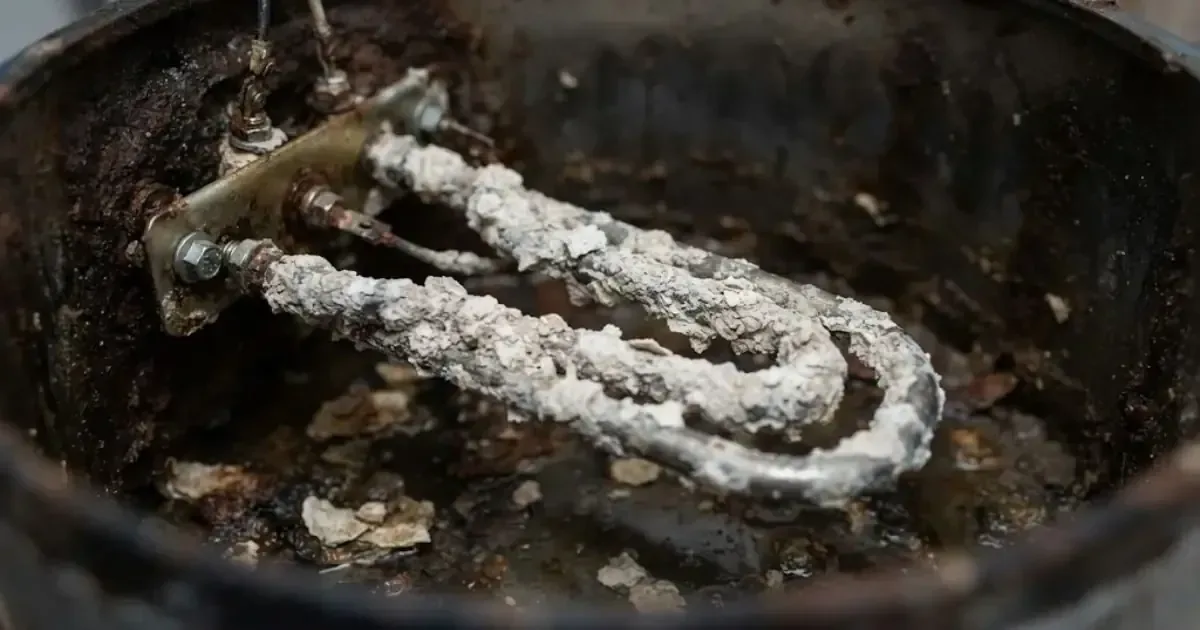
What a dip tube does
The dip tube is a plastic pipe inside the water heater tank that carries incoming cold water from the top of the tank down to the bottom. This sends cold water to the burner or the lower element, where it heats up, and the hot water rises to the outlet at the top.
If the tube cracks, breaks or dissolves, cold water enters at the top and mixes with the hot water right where it leaves the tank. The result is water that never gets as hot as it should, and a tank that runs out faster.
Signs of a failed dip tube
Several symptoms point to the tube:
- Lukewarm water at the tap, even though the thermostat is set normally.
- Hot water that runs out far faster than it used to.
- Small white or clear bits of plastic in faucet aerators and showerheads.
- A heater that runs often but seems unable to keep up.
- No obvious fault in the elements, thermostat or burner.
Those same symptoms can also come from a failed element, a bad thermostat or heavy sediment, so confirm the cause before buying parts.
Dip tube or something else
This table narrows it down.
| Symptom | Dip tube | Other likely cause |
|---|---|---|
| Lukewarm water, plastic bits in aerators | Likely | Rarely |
| No hot water on an electric unit | Unlikely | Breaker, element, thermostat, high-limit |
| Water hot, then cold quickly | Possible | Failed lower element, sediment |
| Rotten egg smell in hot water | No | Anode rod reaction |
| Popping noises | No | Sediment buildup |
A plumber can test elements and thermostats with a meter, so the diagnosis is based on readings and not guesses.
How the replacement goes
This is the general sequence, and manuals differ by brand.
- Turn off the power at the breaker, or set a gas control to off, and close the cold water supply valve.
- Open a hot tap to relieve pressure and attach a hose to the drain valve to lower the tank water level below the inlet.
- Disconnect the cold inlet pipe and unscrew the nipple, or heat trap, which holds the tube.
- Pull the old tube out and note its length, which is usually a few inches short of the tank bottom.
- Install the new tube, wrap the threads with thread sealant tape and reconnect the inlet.
- Refill the tank, open a hot tap until air clears, then restore power or gas and check for leaks.
The inlet nipple can be seized from years of corrosion. If it will not budge without force, stop and call a plumber, because a damaged fitting turns a small job into a larger one.
Repair or replace the whole heater
A new dip tube costs little compared with a new heater, so on a younger unit the repair makes sense. On a heater near the end of its life, with rust, sediment and repeated problems, the money may be better spent toward replacement.
Ask a plumber to check the anode rod and the tank bottom while the tube is out. A tank full of sediment or a rod that is worn down tells you how much life is left. If the answer is not much, water heater replacement is the better route.
Questions to ask the plumber
If a dip tube turns out to be the cause, a few questions keep the visit clear. Ask how the plumber confirmed the diagnosis, since flakes in the aerators and lukewarm water have other possible causes. Ask whether the tank will be flushed while the part is out, because a failed tube often leaves debris behind.
Ask what the repair covers and what it does not. A new tube fixes the mixing problem, but it does not undo sediment, an aging anode rod or a tank that is near the end of its life. If the heater is old, the plumber can compare the repair price with a replacement so you decide with both numbers in view.
Finally, ask about the old part. Keeping the failed tube lets you see the damage for yourself, and it makes the explanation easy to follow.
To have the tank checked for a failed dip tube, call (321) 463-9969 and mention the flakes you found.
Saint Cloud local note: water chemistry and permits
The City of Saint Cloud's water comes through Toho Water Authority from the Floridan aquifer, and the utility's 2025 report says it removes hydrogen sulfide by aeration and disinfects with chlorine. The report does not list a hardness figure. Hot, treated water slowly breaks down plastic parts inside a tank, which is one reason older tank internals fail, and flushing the tank yearly slows sediment.
Replacing a dip tube is a repair inside an existing tank. The county permit page lists water heaters as permit-required work but does not name this repair, so ask the building department for your address if you are unsure.
Where this comes from, according to the pages themselves: the utility's annual water quality report and the county permit information page. We take these calls from Kissimmee and Harmony too.
Quick answers for Saint Cloud homeowners
How long does a dip tube last?
Plastic tubes in a heater are exposed to heat for years, and many last a long time. Some older designs have been known to crack or break down sooner.
Can I replace a dip tube myself?
Some homeowners do. Plumbing is a regulated trade in Florida, and a seized nipple can turn the job into a bigger one, so many hire a plumber.
Why are there plastic bits in my faucet aerators?
Flakes of white plastic can come from a failing dip tube. Check the aerators and the showerheads when hot water seems weak.
Does this problem affect electric and gas heaters?
Both have dip tubes, so both can have this fault.
Does a dip tube replacement need a permit in Osceola County?
The county's permit page lists water heaters among permit-required work and does not name a dip tube. Ask the building department that covers your address.